
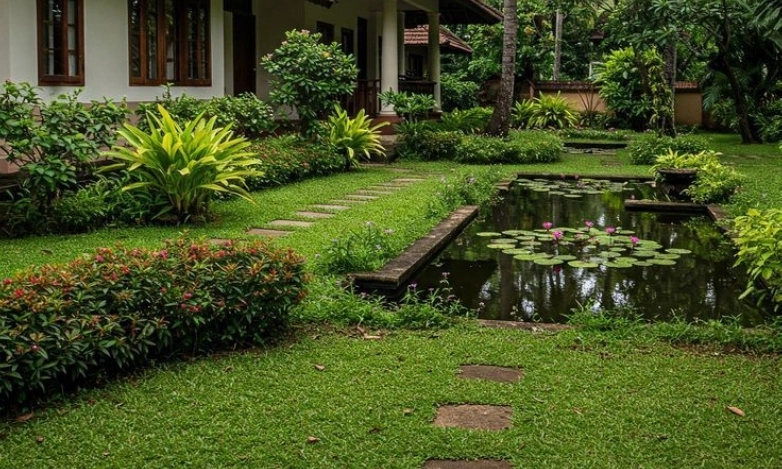
Creating a garden that thrives in harmony with nature is more than just a trend it’s a meaningful way to care for the environment while building a beautiful and functional outdoor space. Eco-friendly gardening focuses on sustainability, biodiversity, and resource efficiency. It’s about designing landscapes that conserve water, reduce waste, and support local ecosystems without sacrificing visual appeal. At Green Dreams Garden, we believe that a sustainable landscape not only enhances your home but also gives positivity to the planet. Here’s how you can create your own eco-friendly garden step by step.
1. Choose Native and Climate-Appropriate Plants
The foundation of sustainable landscaping starts with plant selection. Native plants are naturally adapted to your local soil, climate, and rainfall patterns, meaning they require less water, fertilizer, and maintenance. They also attract pollinators like bees, butterflies, and birds, enhancing biodiversity in your garden. Avoid invasive species that can disrupt natural ecosystems and instead, create layers of native shrubs, grasses, and flowering plants that thrive throughout the year.
2. Conserve Water with Smart Techniques
Water is one of the most precious resources in gardening. By incorporating water-wise practices, you can maintain a lush landscape while using significantly less water. Consider installing a drip irrigation system that delivers water directly to plant roots, reducing evaporation. Collecting rainwater in barrels or tanks is another effective way to irrigate naturally. Mulching your soil with organic materials like wood chips or straw helps retain moisture, regulate soil temperature, and prevent weed growth all while improving soil health.
3. Enrich Soil the Natural Way
Healthy soil is the heart of a sustainable garden. Instead of relying on chemical fertilizers, nurture your soil with compost made from kitchen scraps, leaves, and grass clippings. Compost adds essential nutrients and improves the soil’s ability to hold water. Using organic fertilizers and natural amendments like worm castings or seaweed extract promotes plant growth without harming beneficial organisms. Over time, these practices create a living, balanced ecosystem beneath your feet.
4. Reduce Waste and Reuse Materials
Eco-friendly gardening also means minimizing waste wherever possible. Repurpose old materials instead of buying new ones use reclaimed wood for raised beds, recycled stones for pathways, or leftover bricks for edging. Composting garden waste is another great way to recycle nutrients back into the soil. By reducing landfill waste and reusing what you already have, you lower your carbon footprint while giving your garden a unique, rustic charm.
5. Encourage Pollinators and Wildlife
A truly sustainable garden welcomes a variety of living creatures. Add bird feeders, bee hotels, or butterfly-friendly plants to create a thriving habitat. Choose flowers that provide nectar throughout the seasons, and avoid pesticides that harm beneficial insects. Incorporating small water features like ponds or shallow bowls gives birds and insects a place to drink and cool off. This balance between plants and wildlife creates a vibrant, self-sustaining ecosystem.
6. Use Eco-Friendly Landscaping Materials
When designing your garden layout, opt for sustainable materials such as natural stone, reclaimed timber, or recycled composites. Permeable paving allows rainwater to soak into the soil, reducing runoff and erosion. Choose solar-powered garden lights for energy efficiency and replace plastic containers with biodegradable or terracotta pots. Every small choice adds up to a greener landscape that benefits both you and the environment.
7. Maintain Naturally and Mindfully
Installing sustainable gardening is just the beginning of the ongoing task. Regularly prune and mulch plants to maintain balance and health. Use manual tools instead of gas-powered ones to reduce emissions and noise pollution. Practice integrated pest management (IPM) a method that controls pests using natural predators or organic sprays rather than harsh chemicals. These mindful practices keep your garden healthy without compromising the planet’s wellbeing.
Conclusion
Creating an eco-friendly garden is about cultivating a living space that supports both beauty and biodiversity. It’s a reflection of your commitment to sustainability and your appreciation for the natural world. With thoughtful planning, choosing native plants, conserving water, reusing materials, and nurturing wildlife you can enjoy a stunning landscape that gives back more than it takes. At Green Dreams Garden, we believe that every green space, no matter its size, can make a meaningful difference in building a healthier, more sustainable future.